When it comes to ensuring order on the premises of correctional facilities as well as the safety of personnel, staff, and inmates, correction officers play a vital role. The nature of their work exposes them to unpredictable situations and high levels of risk, particularly from attacks involving sharp or improvised weapons. With increasing incidents of violence being reported on prison premises, the personal safety of correction officers has become even more important today. This is where a stab-resistant vest comes to the rescue. Providing a critical layer of protection against edged weapons, these vests ensure the safety of correction officers so that they can perform their duties effectively.
In this blog, we will explore the importance of stab-resistant vests for correction officers, their features, types, and benefits, along with providing you with a guide on choosing and maintaining them.
The situation in correctional facilities can get volatile at times when tension runs high. Inmates may fashion weapons from everyday objects, making correction officers vulnerable to stab and slash attacks. Traditional bulletproof vests, designed for ballistic threats, may not be able to provide the required specialized protection from edged weapons, such as knives or improvised shivs. Key reasons correction officers need stab-resistant vests include:
High-risk work environment: Daily interactions with inmates increase the likelihood of confrontations.
Protection from improvised weapons: Common items like toothbrushes, pens, or metal scraps can be turned into dangerous weapons
Enhanced personal safety: Vests provide a vital layer of protection for officers facing aggressive or violent individuals.
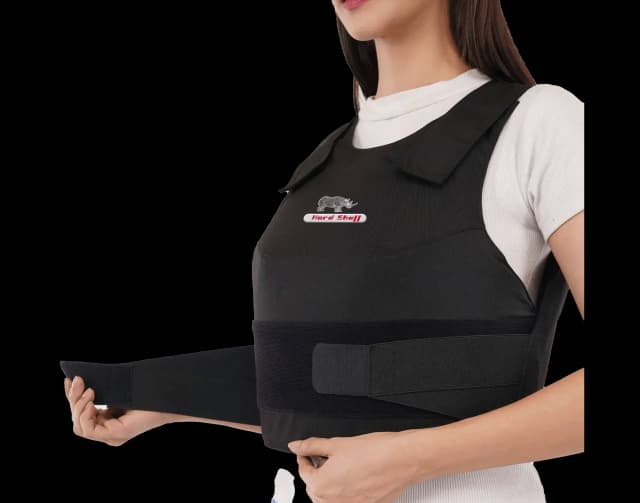
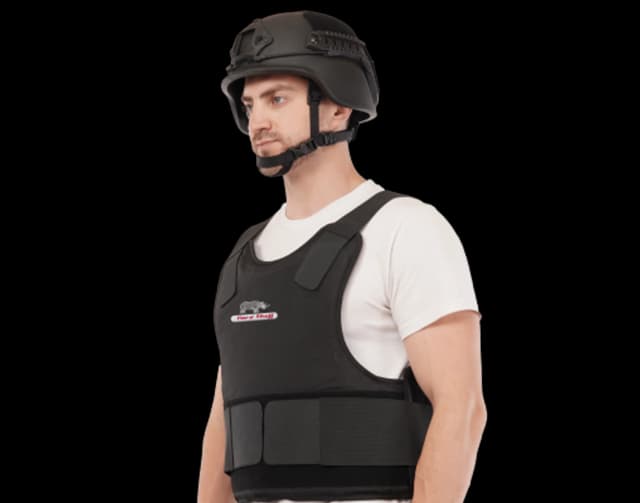
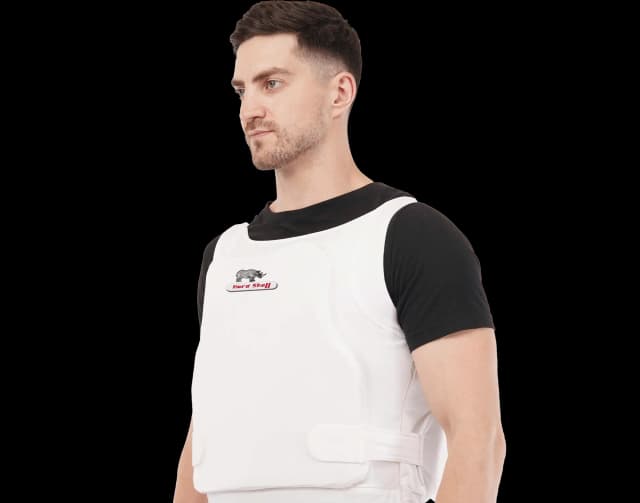
Stab-resistant vests for correction officers are customized to provide maximum protection against specific threats encountered in various settings of correctional facilities. It performs this function while ensuring comfort and usability. Its key features include:
Material: These vests are crafted using high-strength aramid fibers, carbon fiber or Ultra-high-molecular-weight polyethylene (UHMWPE) for superior puncture resistance. These materials are tightly woven or layered to create a barrier that resists penetration.
Ergonomic Design: Stab-resistant vests are designed to be lightweight and flexible, allowing officers to move freely while on duty.
Coverage: They typically provide protection to vital areas such as the chest, back, and sides. Some models also include additional panels for extra coverage.
Durability: Built to withstand tough conditions, these vests resist wear and tear from frequent use.
Moisture-Wicking Fabrics: Many vests are lined with breathable materials to keep officers cool and comfortable during long shifts.
Easy Maintenance: Designed to keep things simple, most stab-resistant vests can be cleaned and maintained with minimal effort, ensuring hygiene and longevity.
Stab-resistant vests come in various types to cater to the diverse needs of correction officers.
The National Institute of Justice (NIJ) sets standards for stab-resistant vests to ensure their effectiveness against various threats. NIJ Standard 0115.00 classifies vests into protection levels based on their ability to withstand different impacts:
The advantages of using stab-resistant vests extend beyond personal protection. They also contribute to job performance and mental well-being. Here are the benefits:
Selecting the right stab-resistant vest involves evaluating various factors to meet the specific needs of correction officers:
Proper care and maintenance are essential to ensure the longevity and effectiveness of stab-resistant vests.
A stab-resistant vest is not just a piece of protective gear; it is a critical tool that ensures the safety of correction officers and allows them to perform their duties with confidence. By understanding the importance of these vests, their features, and how to select and maintain them, correction officers can stay prepared for the challenges they encounter every day.