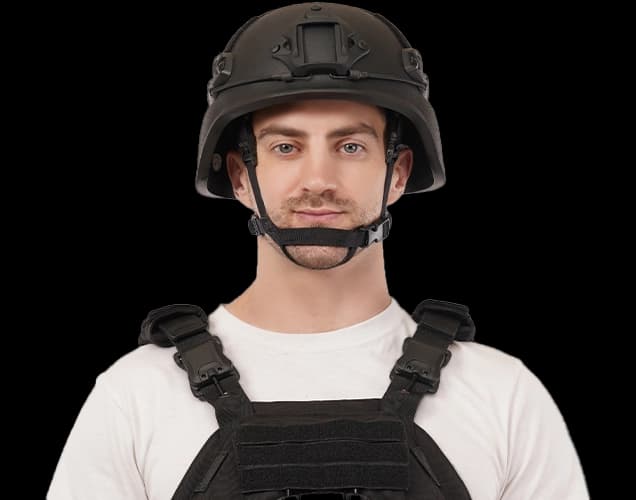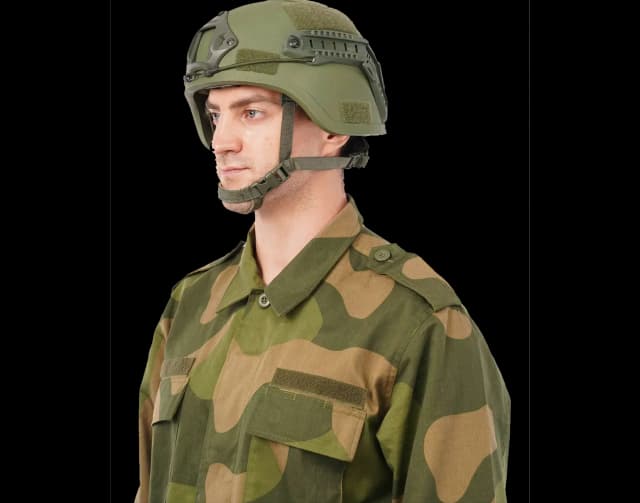
Ballistic helmets come in different designs, and each type is built for a different role. These helmets vary in their coverage, weight, accessory compatibility, and the level of tactical head protection they provide. Some are lighter and easier to wear for long periods. Others provide more coverage, but can feel heavier during use. This guide explains the important factors to consider before choosing a ballistic helmet. Hard Shell provides the best-performing ballistic helmets at competitive prices, suitable for long-term wear, preventing fatigue.
A ballistic helmet is protective headgear used for personal ballistic protection in combat and other high-risk work. It helps protect the head from shrapnel, blast fragments, debris, and impacts caused by explosions, grenades, artillery, and similar threats.
Some ballistic helmets can also stop handgun rounds, depending on the protection level. Certain models may also handle limited rifle threats.
Modern ballistic helmets are made from strong materials that can resist heat, water, moisture, and rough use. They are also built to reduce pressure from blast waves.
These helmets are used by military personnel, police units, security teams, and rescue workers in dangerous environments.
Ballistic protection levels decide the capability of the helmet to resist velocities and ballistic threats like shrapnel and handgun rounds.
| Feature | NIJ Level IIIA (HG2) | NIJ Level III (RF1) | V50 |
| Protection | Handguns + Fragments | Rifle rounds + Fragments | Fragmentation protection. |
| Common Use | Police, Military Standard | Special Ops, High-risk missions | Performance metric |
| Weight | Light ( approx. 3 to 3.5 lbs ) | Heavier ( often >3.5 lbs ) | Not applicable |
| Comfort | High ( good for long wear ) | Lower ( can cause fatigue ) | Not applicable |
| Best for | Everyday threats | Rifle threat scenarios | Comparing helmet performance |
The cut of a ballistic helmet refers to its shape and how much of the head it covers around the ears. Different helmet cuts affect protection, helmet weight, and the type of gear that can be worn with it.
A full-cut helmet covers the ears and sides of the head. It provides more protection against fragments and impacts, but there is less space for large communication headsets. These helmets are usually heavier and can feel hot during long use.
A mid-cut helmet covers part of the ears while still leaving room for smaller communication systems or in-ear devices. Mid-cut helmets are commonly used in law enforcement and military work.
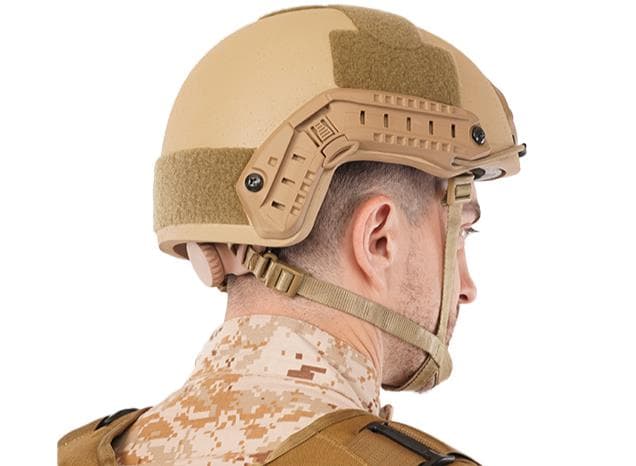
A high-cut ballistic helmet leaves the ears exposed. The extra space around the ears makes it easier to wear communication headsets, hearing protection, and night vision gear. These helmets are lighter and easier to wear for long periods, but they provide less protection on the sides of the head.
| Feature | Full-Cut | Mid-Cut | High-Cut |
| Coverage | Maximum ( coversears ) | Medium (partial ear coverage ) | Minimal ( ears exposed ) |
| Protection | Highest side protection | Balanced | Lower ( less side coverage ) |
| Accessory Use | Limited | Moderate | Excellent |
| Weight & Comfort | Heavier, warmer | Balanced | Lightest, more breathable |
| Best for | Riot control with maximum protection | General duty use | Special ops where accessories and mobility are a priority |
Most bulletproof helmets are made from advanced ballistic materials like aramid fibers or UHMWPE. The material affects the helmet's weight, durability, and the level of protection.
Aramid has been used in ballistic helmets for many years. It is a strong material that protects against handgun rounds and fragments. Aramid helmets are usually heavy. They can also absorb moisture over time if not maintained properly.
Ultra-High-Molecular-Weight Polyethylene (UHMWPE) is a lightweight ballistic material used in many modern helmets. These lightweight ballistic systems are easier to wear during long use because they weigh less. UHMWPE also handles moisture, UV exposure, and chemicals better than older materials.
Many ballistic helmets are designed to work with extra gear. Not every helmet supports the same accessories, so it is important to check compatibility before use.
Some tactical helmets include side rails for mounting lights, cameras, hearing protection, and similar gear.
Many helmets also include a front mount for attaching night vision devices.
Camouflage covers help the helmet blend into the surroundings. Waterproof covers are also used in wet or rough conditions.
There are three primary categories of ballistic head protection, and they vary based on the extent of coverage, the mass of the equipment, and how they function with other tools.
By design, the Personnel Armor System for Ground Troops (PASGT) helmet covers the entire head and includes the area around the ears. It is made of materials that resist wear. It typically costs less, but can be heavy. PASGT helmets are ideal for situations where protecting a large surface area is the priority over attaching electronic devices, like standard military duties or managing crowds.
As a modern update, the Modular Integrated Communications Helmet (MICH) provides a similar degree of safety but has less weight. It is built to work effectively with radios as well as headsets. It is commonly used in military and police organizations.
Future Assault Shell Technology (FAST) helmet is a recent design with a high cut edge that prioritizes low mass or the addition of specialized tools. With this shape, the user can easily wear communication headsets and night vision devices. It is strong and comfortable for the wearer, but it leaves the sides of the head exposed. These helmets are suitable for units that perform specialized tactical missions.
Always test the helmet with the full gear setup. A helmet that feels comfortable by itself may not fit the same once communication headsets, eyewear, or a rifle stock are involved.
Military ballistic helmets are used in combat areas where gunfire, fragments, and impacts are common.
Ballistic helmets can typically be used for 5-10 years with proper maintenance.
Maintenance basics:
When to replace the helmet:
A ballistic helmet should be replaced after a ballistic impact or heavy fall. Cracks, soft spots, or warping on the shell are also bad signs. Loose straps, worn pads, or damaged retention parts can affect the fit during use. Also, make it a habit to change the helmet once it reaches the recommended lifespan.